

Description
Appearance and Origin
- Discovery: Found in 1976 at the Hacienda Cara Cara in Valencia, Venezuela, as a natural mutation of the Washington navel orange.
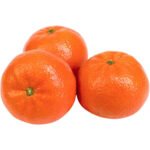
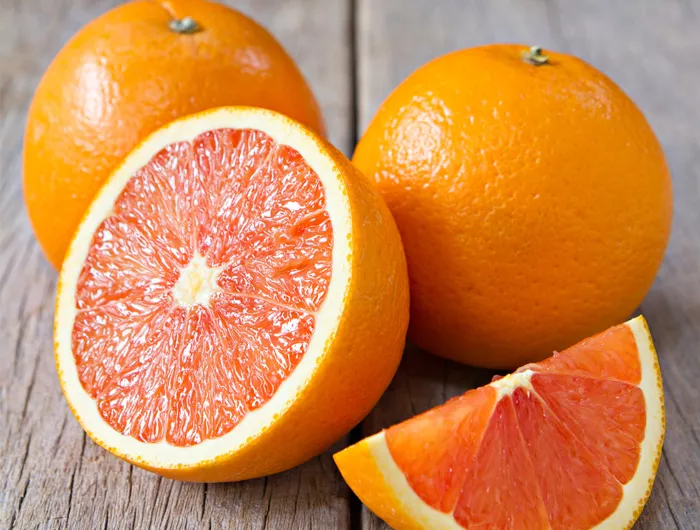
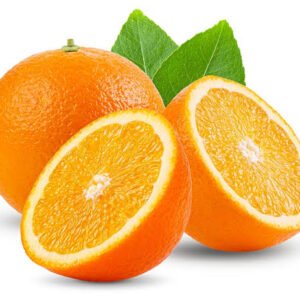
- Outside: Looks identical to a standard navel orange with a round shape and bright orange, easy-to-peel skin.
- Inside: Features a distinct pinkish-red or salmon-colored pulp caused by the antioxidant lycopene rather than anthocyanins (found in true blood oranges).
Taste and Season
- Flavor Profile: Exceptionally sweet and tangy with low acidity, carrying subtle secondary notes of raspberry, blackberry, or cranberry.
- Seasonality: Peak harvest runs during the winter and early spring months, typically from December through April.

Reviews
There are no reviews yet.